Structural Power
How Graphene Is Reinforcing the Energy Systems That Matter
Special Report | Energy & Infrastructure
The energy transition is often described as a race toward new generation technologies. In practice, it is a test of whether existing systems can endure rising loads, tighter margins, and longer operating horizons.
The limiting factor is not ambition.
It is materials.
As power density increases and infrastructure ages, energy systems are increasingly constrained by heat, degradation, and reliability. These constraints are structural, not ideological — and they cannot be solved through policy alone.
Graphene is emerging as a quiet but decisive enabler in this environment. Not as a replacement technology, but as a reinforcing layer across the energy stack.
Energy’s Real Constraint: Reliability at Scale
Modern energy systems are under strain.
Across generation, transmission, storage, and distribution, operators face a convergence of pressures:
- higher thermal loads
- aging infrastructure
- increased electrification
- tighter tolerance for downtime
These pressures compound. Heat accelerates degradation. Degradation increases failure risk. Failure drives cost.
The result is a system where reliability, not capacity, increasingly defines performance.
This is the context in which graphene’s energy relevance should be understood.
Why Graphene, Why Now
Graphene has long been associated with breakthrough energy concepts — next-generation batteries, ultra-fast charging, radical efficiency gains. While these narratives persist, the more consequential shift is happening elsewhere.
Graphene is being pulled into energy systems because existing materials are reaching their performance limits.
Three developments explain the timing:
- Thermal margins are collapsing
Power electronics, inverters, transformers, and storage systems operate closer to their thermal limits than ever before. - Lifecycle economics dominate decision-making
Energy operators optimize for decades, not quarters. Materials that extend asset life by even small percentages materially alter capital planning. - Graphene integration has matured
The focus has shifted from raw material properties to engineered solutions: coatings, interfaces, and composites designed for deployment.
Energy systems do not adopt novelty. They adopt durability.
Thermal Management as the First Insertion Point
Thermal management is the most immediate and scalable entry point for graphene in energy infrastructure.
From power electronics to grid-scale storage, heat remains a primary cause of performance degradation and failure. Traditional thermal solutions struggle to keep pace with increasing power density.
Graphene’s thermal conductivity enables:
- faster heat dissipation
- lower operating temperatures
- improved component stability
When integrated into thermal interfaces, housings, and protective layers, graphene improves reliability without altering system architecture.
This matters because it aligns with how energy systems evolve: incrementally, conservatively, and at scale.
Energy Storage: Durability Over Disruption
Energy storage is often framed as a race toward higher capacity. In reality, durability and cycle life are equally decisive.
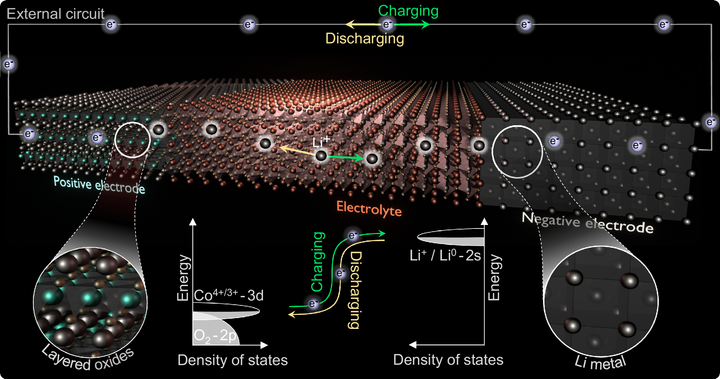
Graphene-enhanced batteries and ultracapacitors demonstrate improved charge rates, longer lifespans, and greater tolerance for demanding duty cycles. These attributes are particularly valuable in applications where reliability matters more than peak performance.
For grid operators, extended cycle life reduces replacement frequency.
For industrial users, faster charge and discharge improves system responsiveness.
For defense-adjacent energy systems, reliability under stress is paramount.
Graphene’s role in storage is therefore less about disruption and more about making existing architectures work better for longer.
Transmission, Distribution, and Grid Resilience
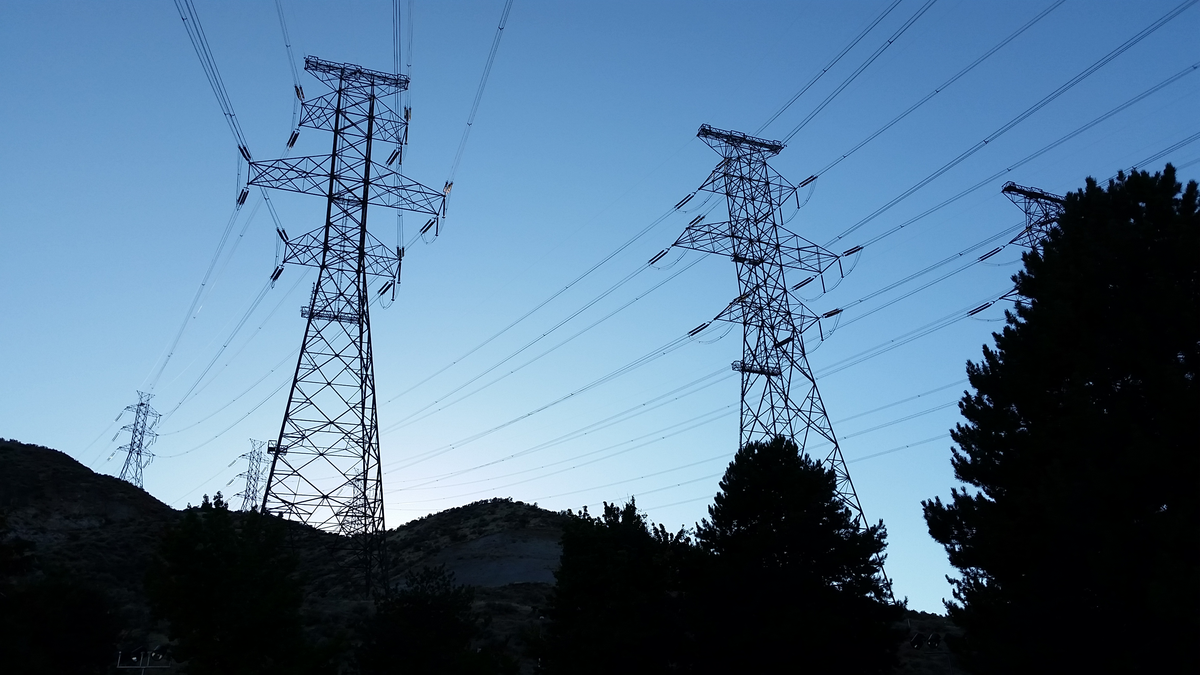
As electrification accelerates, stress on transmission and distribution infrastructure grows. Aging components face increased loads, environmental exposure, and regulatory scrutiny.
Graphene-enhanced materials offer incremental but meaningful improvements:
- reduced resistive losses
- improved thermal tolerance
- enhanced corrosion resistance
These gains compound across networks measured in thousands of miles and decades of operation. For utilities, even modest efficiency and durability improvements can translate into significant cost savings and reliability gains.
This is where graphene’s economics become compelling: small material improvements scaled across large systems.
Infrastructure Life Extension as Capital Strategy
Energy infrastructure is capital-intensive by nature. Extending the life of existing assets often delivers higher returns than replacing them.
Graphene supports this strategy by reinforcing components most vulnerable to degradation:
- coatings that resist corrosion
- materials that tolerate higher heat
- interfaces that reduce mechanical stress
For investors, this shifts graphene’s value proposition. Rather than a speculative energy bet, it becomes an asset-optimization tool — one that aligns with infrastructure-style capital and long-term returns.
Policy Alignment and Energy Security
Energy security has reemerged as a national priority. Grid resilience, domestic production, and infrastructure hardening increasingly feature in policy frameworks.
Graphene aligns naturally with these objectives:
- it strengthens critical systems
- it supports domestic manufacturing
- it reduces failure risk
Policy alignment does not guarantee success, but it reduces friction. For energy markets characterized by long approval cycles and conservative adoption, this alignment matters.
Time Horizon: The Reinforcement Phase
The 2020s represent a reinforcement phase for energy systems.
Rather than wholesale replacement, operators are prioritizing:
- life extension
- reliability improvement
- resilience under stress
Graphene’s adoption curve reflects this reality. Early applications will cluster around thermal management, coatings, and storage durability. Over time, these insertions will expand as trust and qualification deepen.
This is a gradual process — and a durable one.
Where Value Will Concentrate
Value in graphene-enabled energy systems will concentrate among organizations that:
- understand energy procurement cycles
- design for integration, not replacement
- align materials performance with lifecycle economics
As with defense, energy rewards reliability over novelty. Materials that quietly improve system performance become embedded — and difficult to displace.
Conclusion: Reinforcing the Energy Backbone
The future of energy will be defined not only by how power is generated, but by how systems endure.
Graphene’s role is structural. It reinforces the backbone of energy infrastructure at a moment when reliability, resilience, and longevity matter more than ever.
This is not an energy revolution.
It is an energy reinforcement.
And it is already underway.